In today’s fast-changing tech world, picking the right Wireless Coil is pretty important if you want everything to run smoothly. According to a report by MarketsandMarkets, the global wireless charging market is expected to hit around $41 billion by 2026. That growth really shows just how much we’re leaning on wireless tech across all sorts of industries—whether it’s cars, gadgets, or other electronics.
Honestly, understanding what you need before choosing a Wireless Coil is a big deal. Things like size, how much power it can handle, and the operating frequency all matter a lot. Industry experts, including Texas Instruments, point out that picking the right coil boosts efficiency and cuts down on energy waste. But here’s the thing— even the top-notch products won’t work well if they don’t match your specific use case.
A lot of people skip over the compatibility aspect when they’re shopping for a Wireless Coil, and that can cause some real performance issues down the line. So, it’s worth taking the time to do some solid research and talking to trusted sources. Balancing quality and affordability is tricky—most of us have been there—but thinking things through like this will really help you make smarter choices in the wireless charging game.
Understanding Wireless Coil Technology and Its Applications
Wireless Coil technology has rapidly evolved, influencing various industries. Understanding how it works is crucial for effective application. Wireless Coils, orWireless Chokes, are essential components in power transfer and signal transmission. They create electromagnetic fields that enable devices to communicate and charge without physical connections. This technology greatly improves user convenience.
When selecting a Wireless Coil, consider factors like power requirements and frequency range. Different applications demand specific characteristics. For instance, a high-frequency coil suits data transfer better than a low-frequency option. Experimenting with various configurations can lead to unexpected results. It's vital to test and validate the performance of a chosen Wireless Coil in real-world conditions.
Another aspect to reflect on is interoperability. Not all wireless coils work seamlessly with every device. Compatibility issues may arise, leading to inefficient energy transfer or signal loss. Therefore, researching and understanding your devices can save time and resources. Ensure that your Wireless Choke aligns with your equipment’s specifications for optimal performance.
2026 How to Choose the Best Wireless Coil for Your Needs?
| Coil Type | Frequency Range (kHz) | Max Power Output (W) | Efficiency (%) | Best Use Case |
| Inductive Coil | 100-300 | 15 | 80 | Wi-Fi Routers |
| Resonant Coil | 300-600 | 30 | 90 | Smartphones |
| Pulse Coil | 600-1200 | 50 | 75 | Electric Vehicles |
| Multilayer Coil | 1200-2400 | 100 | 85 | Home Appliances |
| Toroidal Coil | 2400-5000 | 75 | 95 | Medical Devices |
Identifying Your Specific Needs for a Wireless Coil
When selecting a Wireless Coil, understanding your specific needs is crucial. Consider the type of devices you intend to use. Is it for charging smartphones, powering small gadgets, or supporting others? Different applications require different specifications. A small coil may be adequate for low-power devices, while larger coils work better for higher power.
Evaluate the environment where the coil will operate. Indoor settings differ from outdoor usage. Is humidity a concern? Will dust affect performance? These factors influence the coil's longevity and reliability. You might also reflect on the distance needed for efficient energy transfer. Short ranges are common; however, longer ranges demand higher-quality coils.
Don’t overlook ease of integration with existing technology. Compatibility can save time and effort during setup. Sometimes, a seemingly perfect coil may pose integration challenges. Research user experiences to uncover potential issues. Balancing needs with available options may lead to occasional compromises. Staying informed and seeking expert advice can guide your decision-making process effectively.
Key Features to Consider When Selecting a Wireless Coil
Choosing the right Wireless Coil is essential for a seamless user experience. One critical feature to consider is the frequency range. Industry reports indicate that most effective Wireless Coils operate between100 kHz to 13.56 MHz. This range ensures compatibility with various devices. Ensure the coil can support the necessary protocols for your application.
Another important aspect is the power output. Data shows that effective coils should deliver at least 5 watts for optimal performance. Insufficient power can lead to slow charging or unreliable connections. Additionally, the coil's size and design matter as well. A compact design can enhance portability, but it may compromise range and efficiency.
Material quality affects durability and performance. Materials like copper and enamel offer good conductivity. Research indicates that higher-quality materials lead to less energy loss and better heat dissipation. However, manufacturing processes can vary. The differences can impact reliability, so it's essential to check reviews and certifications.
Ultimately, the choice of a Wireless Coil should reflect specific needs and preferences. Consideration of these key features is crucial for making an informed decision.
Evaluating the Performance of Different Wireless Coils
When evaluating the performance of different wireless coils, several key factors come into play. These coils vary widely in design, materials, and technology, which can significantly affect their efficiency. It's essential to consider the application you have in mind. For instance, coils used in medical devices may prioritize safety and reliability, while those designed for consumer electronics often focus on compactness and cost-effectiveness.
Testing performance is crucial. Look for metrics like transmission range, energy efficiency, and heat generation. A coil that excels in one area may fall short in another. Practical tests can reveal their real-world effectiveness. It’s advisable to gather feedback from users who have experienced these coils firsthand. Their insights can provide valuable guidance. However, keep in mind that subjective experiences can vary.
Comparative analysis is also a useful approach. Studying how different coils perform under similar conditions can uncover strengths and weaknesses. This process isn’t always straightforward. Sometimes, the data can be contradictory. It's essential to approach this problem with a critical mindset. The right choice will depend on your specific needs and understanding the potential trade-offs in performance.
Comparing Wireless Coil Brands and Models
When selecting a wireless coil, understanding the differences among various brands and models is crucial. Each brand offers unique features and specifications, which can greatly affect performance. Consider how the Wireless Rf Filter is integrated into the design. Some brands excel in delivering superior signal clarity, while others may fall short in this aspect.
Researching user reviews can provide insights into reliability and common issues. Many users have reported mixed experiences, highlighting how one model may perform exceptionally well in one environment but poorly in another. It's essential to reflect on your specific needs. For example, are you working in an area with significant interference?
Examine the coil's build quality and warranty options as well. High-quality materials generally lead to better durability. However, some brands may not provide adequate support when issues arise. Balancing quality with customer service can be challenging. Ultimately, gathering comprehensive information and evaluating your unique requirements will guide you in making a wise choice.
Analyzing Cost vs. Quality in Wireless Coils
When choosing a wireless coil, it's essential to balance cost and quality. Industry reports show that the average price range for quality wireless coils is between $50 to $200. Cheaper options often compromise on performance. For instance, a report by the Wireless Technology Association noted that lower-cost coils may suffer from signal interference, affecting overall efficiency.
Quality is key for reliability. The same report indicates that high-end products, like Smt Coils, often have superior construction and materials. They typically offer better thermal management and longer lifespan. Choosing cheaper coils may save money upfront but can lead to higher long-term replacement costs, which can exceed anticipated budgets by up to 30%.
Reflecting on user experiences reveals mixed feedback about various wireless coils. Some users report dissatisfaction due to frequent failures in low-cost models. This highlights the necessity for evaluating long-term value. Investing in higher-quality options might seem steep initially, yet they can enhance operational performance significantly. Balancing cost with quality is no small task; it requires thoughtful consideration of your specific needs and expectations.
2026 How to Choose the Best Wireless Coil for Your Needs?
This chart illustrates the cost versus quality of various wireless coils based on user ratings and price points. As you can see, while some higher-priced options offer better quality, there are also budget-friendly options that provide satisfactory performance.
Future Trends in Wireless Coil Technology and Developments
Wireless coil technology is on the rise. A recent industry report shows that the global market for wireless charging is expected to reach $32 billion by 2026. This growth is driven by advancements in efficiency and adoption across various sectors. Inductor Coils play a critical role in this technology, impacting how devices communicate power wirelessly.
Future trends in wireless coil development focus on optimizing energy transfer. Researchers are exploring new materials that can reduce losses during charging. Studies indicate that coils made from advanced composites can improve performance by up to 30% compared to traditional materials. However, reliability remains a concern. Users often face issues with alignment during charging, raising questions about usability and efficiency.
Moreover, the push for smaller and more efficient coils poses engineering challenges. While compact designs are desirable, they might sacrifice efficiency. Balancing size and functionality requires innovative solutions. There’s a need for ongoing evaluation in the industry. As we advance toward 2026, understanding these intricacies will help consumers make informed choices in wireless coil technology.
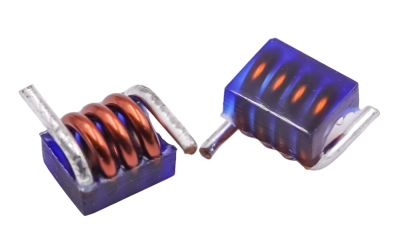
Innovative Noise Suppression Solutions: Exploring the SMTAM1210 Ferrite SMD Square Air Coil Inductor
The SMTAM1210 Ferrite SMD Square Air Coil Inductor represents a significant advancement in noise suppression technology, tailored to meet the demands of modern electronic applications. With a miniature design and high Q factor, this inductor is engineered to deliver outstanding performance in high-frequency environments. Its RoHS compliant status further enhances its appeal, ensuring that it meets stringent environmental regulations while providing a cost-effective solution for manufacturers.
In an era where digital devices proliferate, the SMTAM1210 is particularly suited for integration into a variety of applications. From digital TV tuners to mobile phones, including popular communication standards like GSM and CDMA, this inductor plays a pivotal role in enhancing signal integrity and minimizing noise interference. Additionally, its adaptability extends to advanced technology such as wireless LAN and Bluetooth equipment, power amplifiers, and voltage-controlled oscillators, making it a versatile choice for developers seeking reliable performance across diverse platforms.
One of the key attributes of the SMTAM1210 is its easy bonding process and low sensitivity to humidity, which ensures stability and reliability in various environmental conditions. This combination of features not only boosts performance but also simplifies manufacturing processes, ultimately leading to enhanced productivity for electronic device manufacturers. As noise suppression solutions evolve, the SMTAM1210 stands out as an innovative component that supports the future of high-performance electronics.
FAQS
: Identify the devices you will power, as different uses require different specifications.
Indoor and outdoor settings have distinct challenges like humidity and dust, impacting coil performance.
Short ranges are common, but longer distances require higher-quality coils for efficient performance.
Compatibility can ease setup. A seemingly perfect coil might lead to integration challenges.
Effective coils usually operate between 100 kHz to 13.56 MHz for compatibility with devices.
Look for coils that deliver at least 5 watts to ensure reliable and quick charging.
Yes, a compact coil promotes portability, but it might sacrifice range and efficiency.
Quality materials, like copper, offer better conductivity and lower energy loss.
User experiences can reveal potential issues, helping you avoid unreliable options.
Yes, balancing your needs with available features may lead to some unsatisfactory choices.
Conclusion
Choosing the best Wireless Coil for your specific needs requires a comprehensive understanding of its technology and applications. Start by identifying your requirements, which can vary widely depending on usage scenarios. Consider key features such as efficiency, range, and compatibility, as these will significantly impact performance. Evaluating different models involves analyzing their performance metrics and comparing brands to find a balance between cost and quality.
As the market for Wireless Coils continues to evolve, staying informed about future trends and technological advancements is crucial. Embracing innovations in this field can enhance user experience, making it essential to review upcoming developments that could influence your purchasing decision. By thoroughly exploring these aspects, you can confidently select a Wireless Coil that best meets your demands.

 +86-15916242887
 CONTACT US